PSHE
We teach PSHE/RSE to ensure our children are independent, lead respectful lives, and value themselves as an individual. This encompasses understanding the changes that we go through (body and transitions) and developing social skills like building positive relationships, managing emotions, and co-operating with others.
Intent
At Bloxwich Academy Primary, we teach Personal, Social, Health Education and Relationship and Sex Education as a whole-academy approach to underpin children’s development as people because we believe that this also supports their learning capacity. We allocate 1 hour to PSHE each week to teach the knowledge and skills in a developmental and age-appropriate way. At Bloxwich Academy Primary, we promote respect for all and value every individual child. We also respect the right of our children, their families and our staff, to hold beliefs, religious or otherwise, and understand that sometimes these may be in tension with our approach to some aspects of Relationships, Health and Sex Education.
The Jigsaw Programme offers us a comprehensive, carefully thought-through Scheme of Work which brings consistency and progression to our children’s learning in this vital curriculum area. Jigsaw covers all areas of PSHE for the primary phase including statutory Relationships and Health Education. The table below gives the learning theme of each of the six Puzzles (units) and these are taught across the academy; the learning deepens and broadens every year.
This also supports the “Personal Development” and “Behaviour and Attitude” aspects required under the Ofsted Inspection Framework, as well as significantly contributing to the academy’s Safeguarding and Equality Duties, the Government’s British Values agenda and the SMSC (Spiritual, Moral, Social, Cultural) development opportunities provided for our children.
Relationships Education in primary schools will cover ‘Families and people who care for me’, ‘Caring friendships’, ‘Respectful relationships’, ‘Online relationships’, and ‘Being safe’.
The expected outcomes for each of these elements can be found further on in this policy. The way the Jigsaw Programme covers these is explained in the mapping document: Jigsaw 3-11 and Statutory Relationships and Health Education.
It is important to explain that whilst the Relationships Puzzle (unit) in Jigsaw covers most of the statutory Relationships Education, some of the outcomes are also taught elsewhere in Jigsaw e.g. the Celebrating Difference Puzzle helps children appreciate that there are many types of family composition and that each is important to the children involved. This holistic approach ensures the learning is reinforced through the year and across the curriculum.
Health Education in primary schools will cover ‘Mental wellbeing’, ‘Internet safety and harms’, Physical health and fitness’, Healthy eating’, ‘Drugs, alcohol and tobacco’, ‘Health and prevention’, ‘Basic First Aid’, ‘Changing adolescent body’.
The expected outcomes for each of these elements can be found further on in this policy. The way the Jigsaw Programme covers these is explained in the mapping document: Jigsaw 3-11 and Statutory Relationships and Health Education.
It is important to explain that whilst the Healthy Me Puzzle (unit) in Jigsaw covers most of the statutory Health Education, some of the outcomes are taught elsewhere in Jigsaw e.g. Emotional and mental health is nurtured every lesson through the Calm me time, social skills are grown every lesson through the Connect us activity and respect is enhanced through the use of the Jigsaw Charter.
Anti-Bullying Week
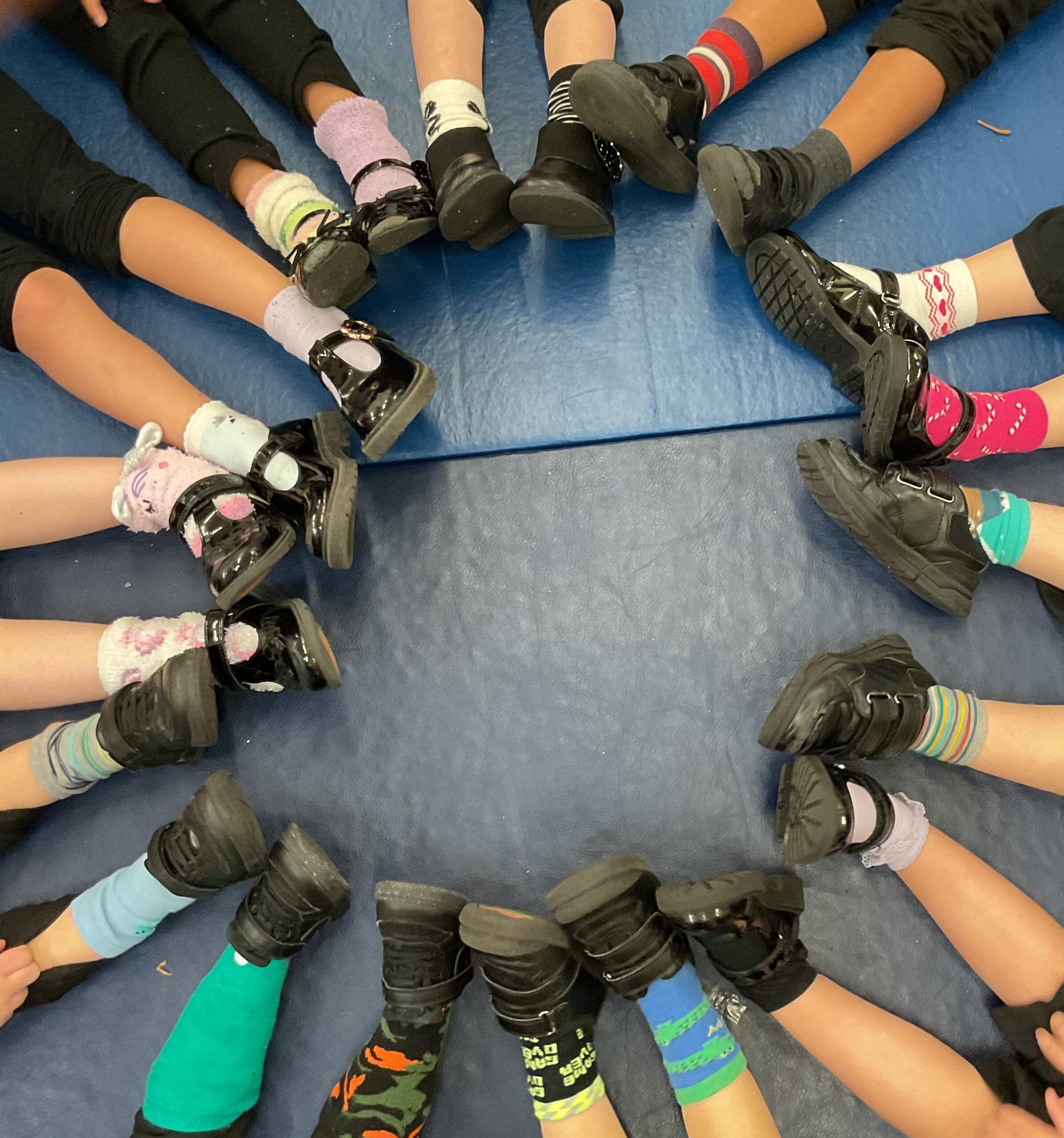
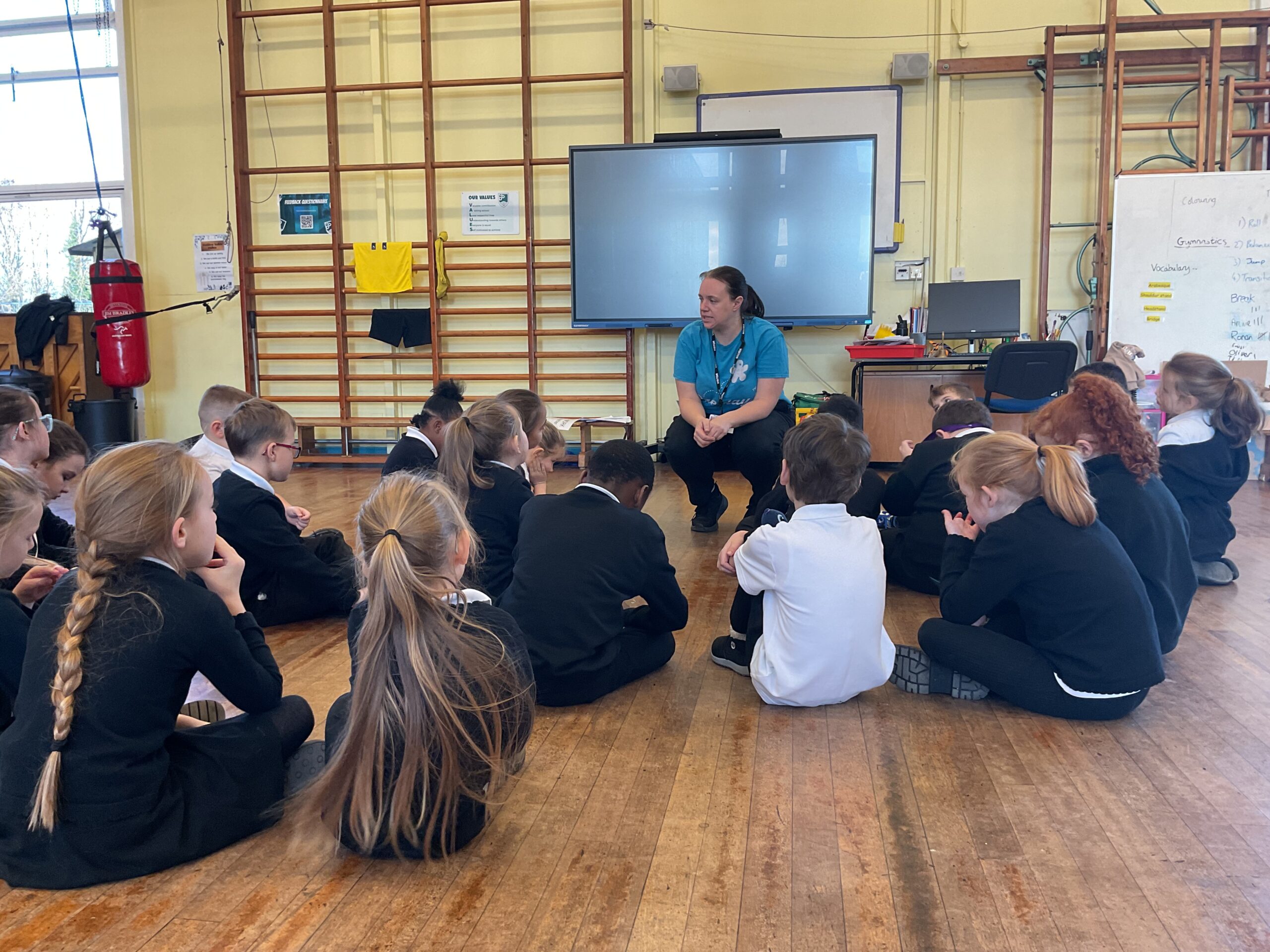
To kick start our Anti-bullying week, all children and staff were invited to wear ‘Odd Socks’ to promote that everyone is unique and individual. The children then learnt about Anti-bullying either through an online lesson or a workshop. This year’s theme was “Power for Good” – a theme that empowered them to do something positive to counter the harm and hurt that bullying causes.
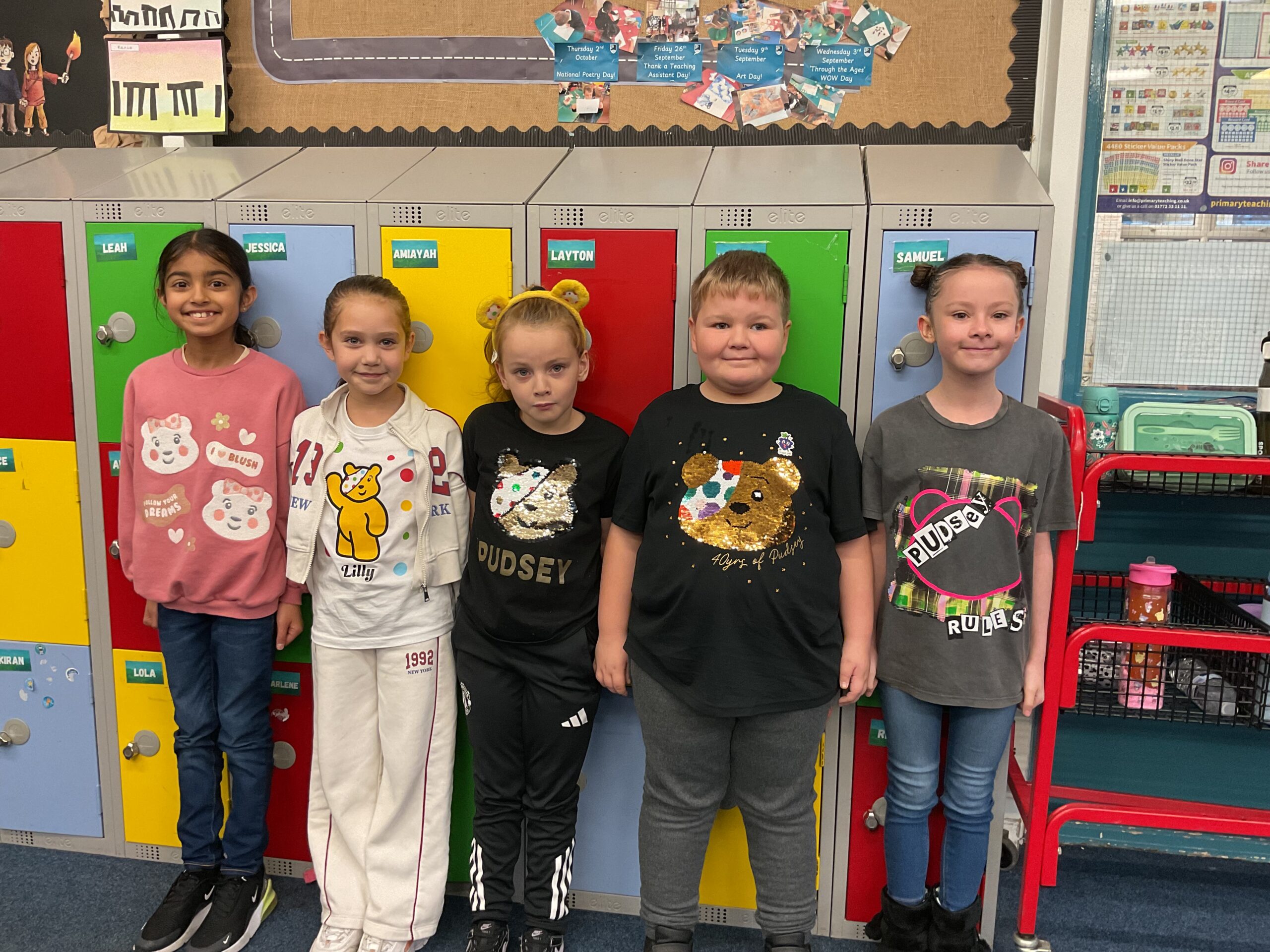
To end our week, we dressed in spots for Children In Need and raised money.
Careers Week
The children had a filled-pack week of finding out about a variety of different careers that are about. The either listen to a pre-recorded video, interview employees or have guest speakers from companies to explain about many vocations within a company.
During the week the children learn about how much income each career could earn them and what they would like to be when they are older.
Parent Workshops
Parents are invited to arrange of workshops relating to different strands of PSHE to inform them of the curriculum. This allows them to understand and know what their child/ren will be learning and ask any questions they may have in relation to their child/ren’s learning.
Progression Skills
The Primary National Curriculum for PSHE has 3 main strands:
This includes topics such as food choices, exercise, mental health, and first aid.
It aims to help children understand the importance of maintaining a healthy lifestyle and how to manage their health effectively.
Understanding friendships, family dynamics, and dealing with conflicts is a crucial part of PSHE education. It also includes teaching children about consent and healthy relationships.
This aspect of PSHE education covers financial education, online safety, and understanding the world around them. It helps children develop the skills they need to navigate the complexities of the modern world.
Useful Links
Primary PSHE teaching resources
Anti-Bullying Week 2025 – Live Lesson - BBC Teach
National Careers Week 2025 | What's on offer on Bitesize Careers? - BBC Bitesize
What is healthy eating? - KS1 - BBC Bitesize
Food - KS2 | Ages 7-11 | Bitesize Primary Topic Packs - BBC Bitesize