Computing
Our computing curriculum equips children to use technology confidently, creatively and safely, enabling them to be responsible digital citizens and effective problem-solvers.
Intent
At Bloxwich Academy, we strive to prepare our pupils for the modern working world by giving them a strong foundation in computing knowledge and skills. As technology continues to transform the way we live and work, it is essential that our children develop the abilities they need to thrive and succeed. Our aim is for pupils to know more, remember more and understand more in computing so that they leave the academy as confident, capable digital citizens. We are committed to providing every child with opportunities to become independent, creative and self-assured learners.
Our computing curriculum is built around a clear progression of skills in digital literacy, computer science, information technology and online safety. We ensure that children not only understand how to use digital technology effectively, but also how to do so safely and responsibly. The curriculum has been carefully shaped through ongoing collaboration with colleagues at our secondary site, creating a seamless learning journey from early years through to KS4.
We aim to equip pupils with the skills to find, explore, analyse, exchange and present information with confidence. We believe that ‘computational thinking’ is essential for children to participate safely and effectively in an increasingly digital world. In addition to becoming competent and knowledgeable users of technology, our computer science lessons nurture creativity, resilience and problem-solving skills. With technology now embedded in everyday life, it is vital that our pupils experience a rich, robust computing curriculum that prepares them for future success.
3D Modelling Curriculum
Our 3D modelling curriculum offers pupils a hands-on introduction to design and technology, guiding them through the full process from concept to creation. Children begin by planning their project before designing it digitally using TinkerCad, then experience the excitement of seeing their ideas come to life on the 3D printer. After printing, they evaluate and analyse their finished models to understand what worked well and what they could improve. Each year group explores a different design challenge, including:
· Year 3: Bookmarks
· Year 4: Pencil pots
· Year 5: Jewellery boxes and reflective winter keyrings
· Year 6: Real-life problems and cars
Music Technology (DJ Club)
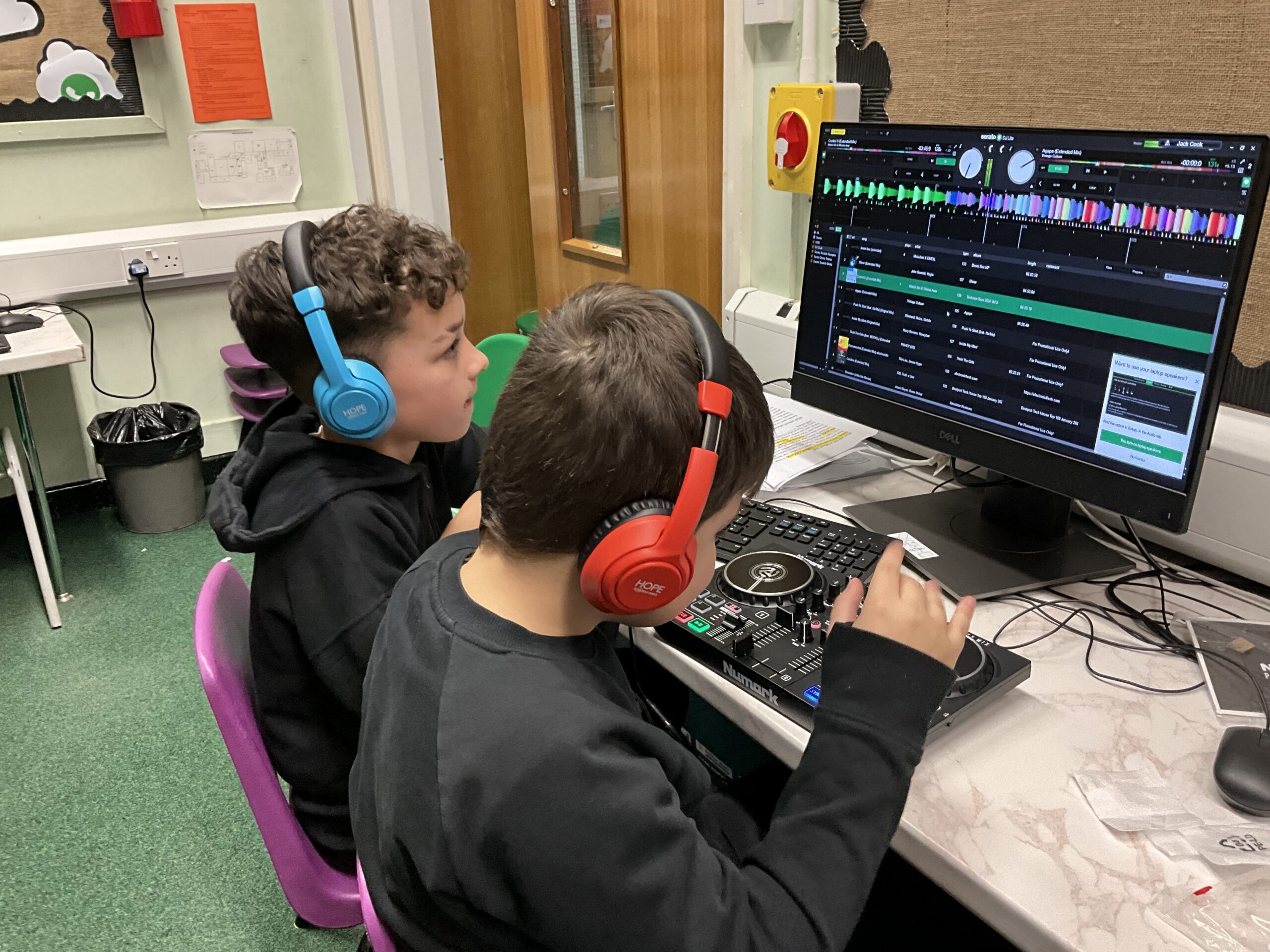
Our music technology offer gives children the opportunity to explore modern sound production through hands-on experience with professional Pioneer DJ decks. During our weekly DJ club, pupils develop key skills such as BPM matching, understanding high, mid and low frequencies, and recognising a range of electronic music genres. This exciting provision not only builds confidence and creativity but also forms part of our ‘Good to be Green’ reward activities, giving children an engaging and motivating way to celebrate their positive behaviour.
Expanding on this, the sessions allow pupils to experiment with a wide variety of mixing techniques, gradually building their technical understanding as they gain familiarity with industry-standard equipment. Children are encouraged to explore their own musical preferences while also being introduced to different styles, broadening their appreciation of how electronic music is created and performed. The club fosters teamwork, patience and focus as pupils collaborate, learn from one another, and practise new skills in a supportive environment. Overall, our music technology provision offers a memorable and inspiring experience that nurtures musical curiosity, strengthens digital literacy, and provides a rewarding outlet for positive behaviour and personal growth.
VR Headsets
At Bloxwich Academy, our use of VR headsets brings learning to life by immersing children in experiences that would otherwise be impossible to access. Pupils can step directly into historical settings—exploring the temples and marketplaces of Ancient Greece, walking through the trenches of the First World War or visiting the pyramids of Ancient Egypt. VR is also used across other curriculum areas: journeying through the solar system in science, diving into underwater habitats in geography and even exploring the human body from the inside during health and biology topics. These immersive experiences deepen understanding, spark curiosity and help pupils develop a truly memorable connection with their learning.
Digital Leaders
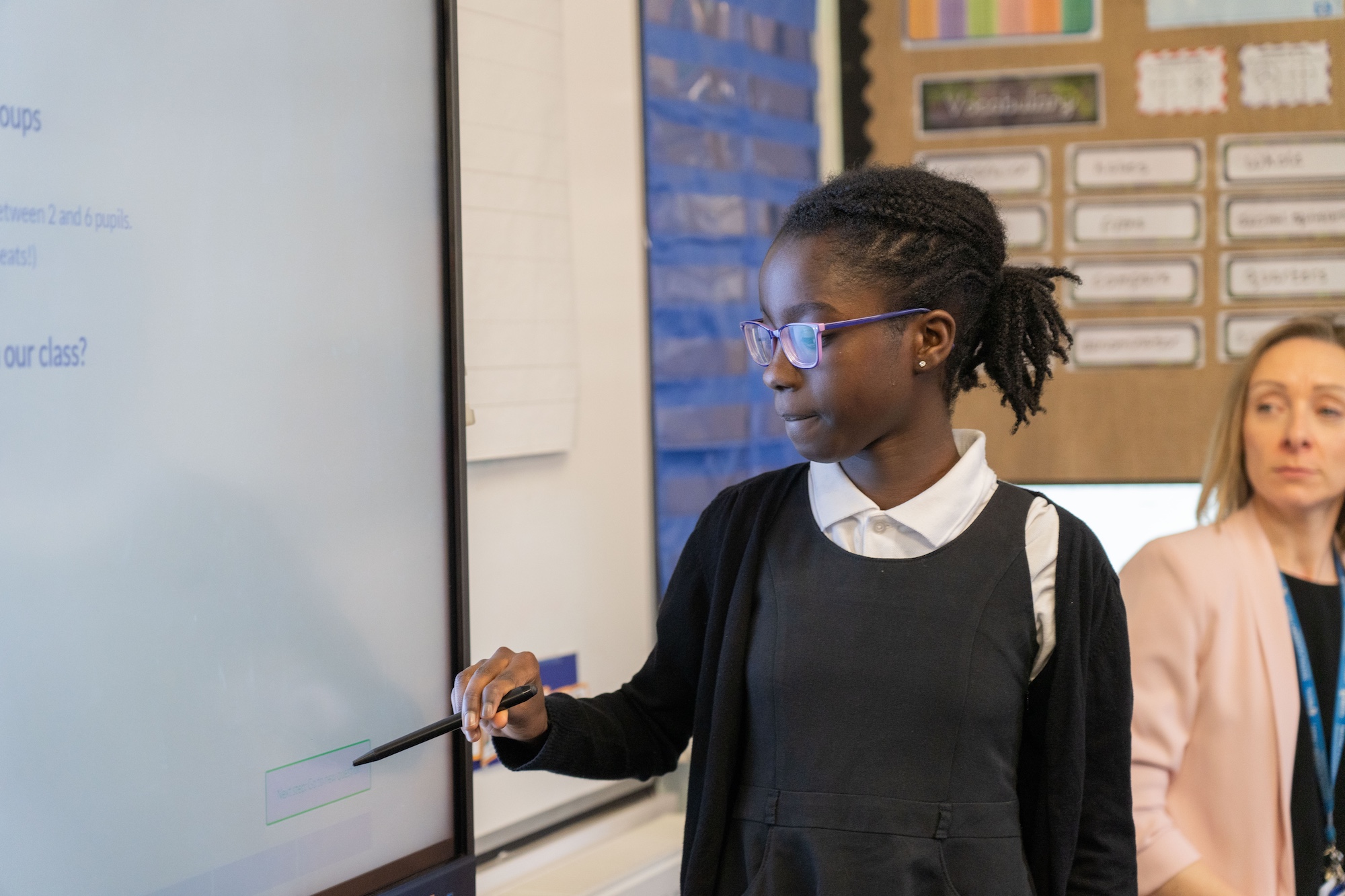
A Digital Leader is a pupil who is part of the Digital Leaders Team at Bloxwich Academy, helping to support and develop the use of Computing across the school. Children who are interested in the role are invited to apply, and shortlisted candidates from Years 4, 5 and 6 will take part in an interview before the new team is appointed. The Digital Leaders meet regularly during Computing Club, where they receive training and guidance to develop specific areas of computing expertise. Once pupils become confident in a particular area, staff may call upon them to assist with a wide range of tasks.
Typical responsibilities of a Digital Leader include:
- Helping staff prepare and organise computing equipment, such as charging laptops and iPads
- Supporting teachers in delivering the online safety curriculum to their own class and others
- Creating and presenting assemblies focused on online safety and the responsible use of technology
- Demonstrating the effective use of technology in the classroom
- Showing pupils and staff how to use everyday programs such as Microsoft Word, PowerPoint and Publisher
- Introducing apps and websites that enhance teaching and learning, including Google Classroom, quiz tools and Class Dojo
- Demonstrating the use of augmented reality (AR) in lessons
- Organising and judging digital competitions
- Testing and reviewing new apps, websites and software for potential classroom use
- Helping to coordinate Safer Internet Day
- Supporting the interview and recruitment process for future Digital Leaders
Progression Skills
The Primary National Curriculum for Computing can be split into 3 strands:
Digital Literacy
Pupils learn to use technology to express themselves and develop their ideas
Information Technology
Pupils learn to use technology to create programs, systems and a range of content.
Computer Science
Pupils are taught the principles of information and computation, how digital systems work and how to put this knowledge to use through programming.
Youtube Videos
Each year during Be Safer Internet Week, children take part in our popular Who’s Behind the Profile? challenge — a series of daily videos in which a teacher hides behind a fake online profile. Pupils use the clues provided to identify the mystery teacher, helping them learn the vital message of always knowing who they are communicating with online. Alongside this, children regularly record, edit and upload videos for our school YouTube channel, gaining valuable digital media skills while sharing their learning and creativity with the wider school community.