History
History teaching at Bloxwich Primary Academy follows our belief that all children have access to and receive a high quality broad and balanced curriculum regardless of ability, additional needs, race, gender or background.

Intent
At Bloxwich Primary Academy, we aim to implement a strong and in-depth History Curriculum, which builds a love of History and builds on prior knowledge. We aim to inspire curiosity and a love of discovery, to help the children develop their knowledge of British History, while also celebrating and learning about the richness and diversity of the wider world. Children will be helped to develop a range of methods for historical enquiry while learning about Historical moments within their living memory and beyond. Building on from prior learning, the children will then go on to learn about ancient civilisations, cultures and significant Historical figures, in a way that is immersive, challenging and encourages active learning and investigation. We want to create a love of History in all our children, we aim to do this through range of learning opportunities in and out of class.
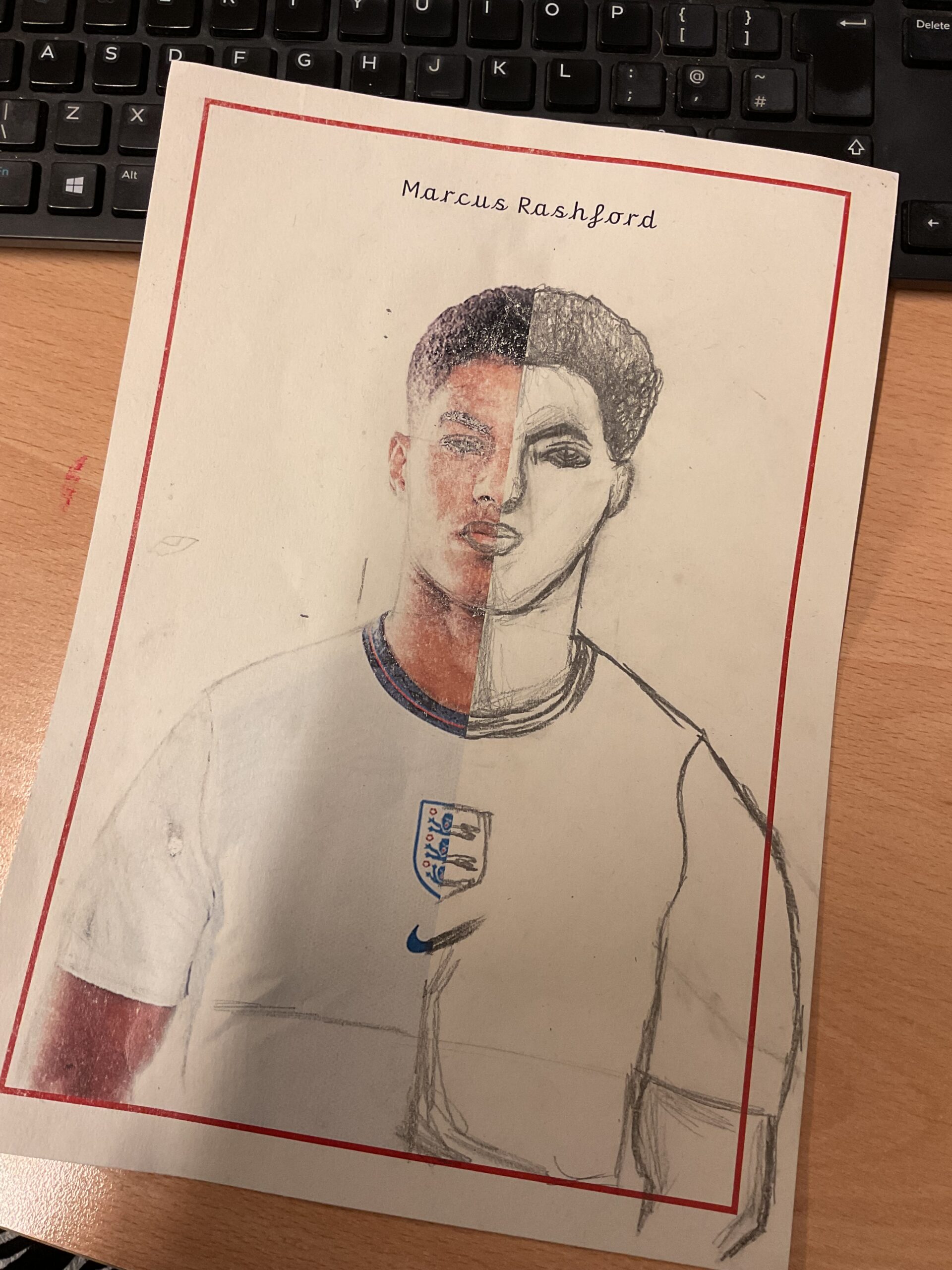
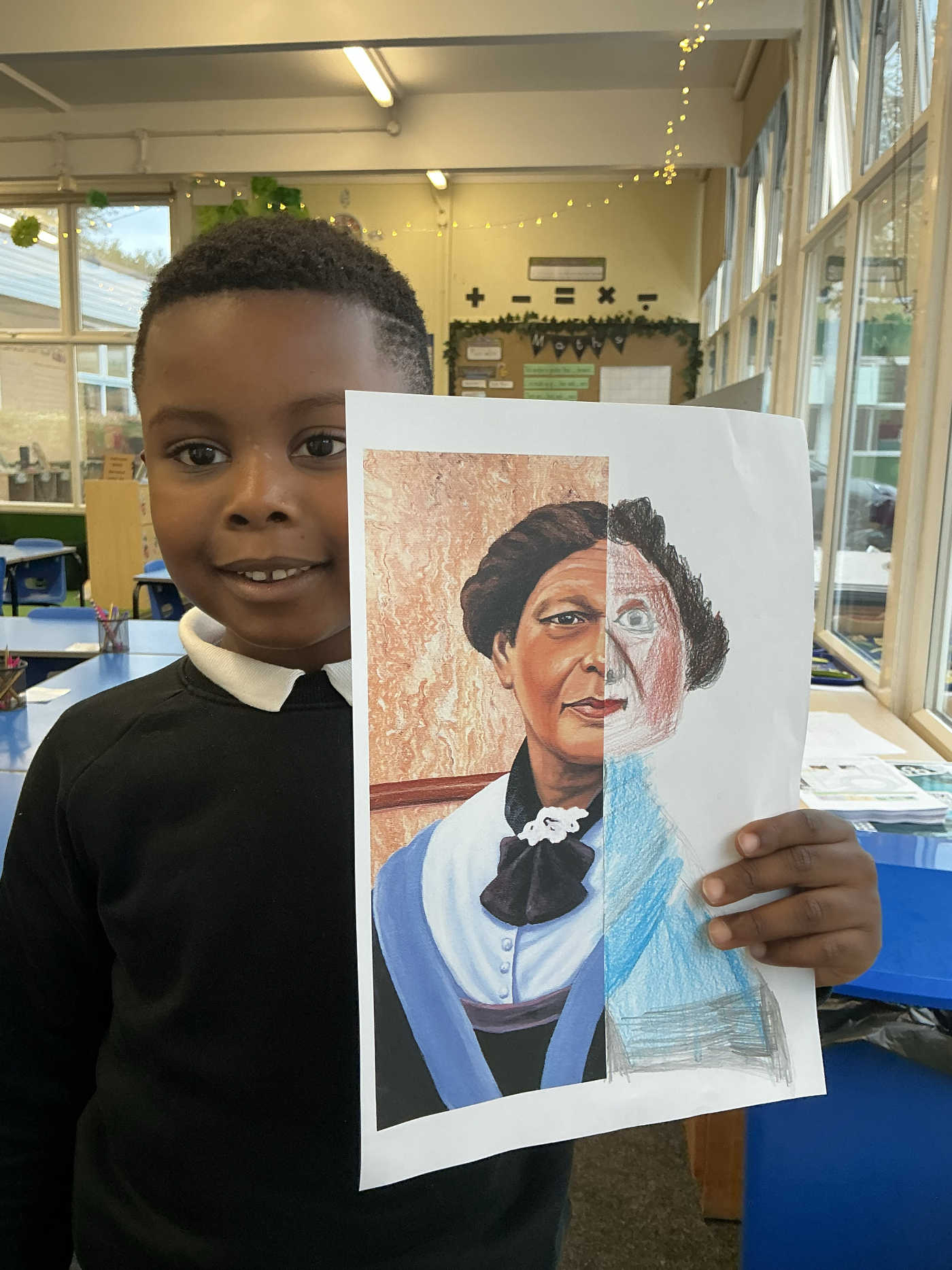
Black History Month
The study of Black History Month in primary schools plays a crucial role in promoting diversity, inclusion, and cultural awareness. Celebrating it in October at Bloxwich Academy, allows us to highlight the rich contributions of Black individuals to history, fostering a more inclusive and balanced view of the world.
Within each year group, children learn about the following people:
Reception: African or Caribbean Food and Dance + Lenny Henry
Y1: Jacob Lawrence + Ade Olayiwola CBBC
Y2: Mary Seacole + Simone Biles
Y3: Nelson Mandela + Marcus Rashford
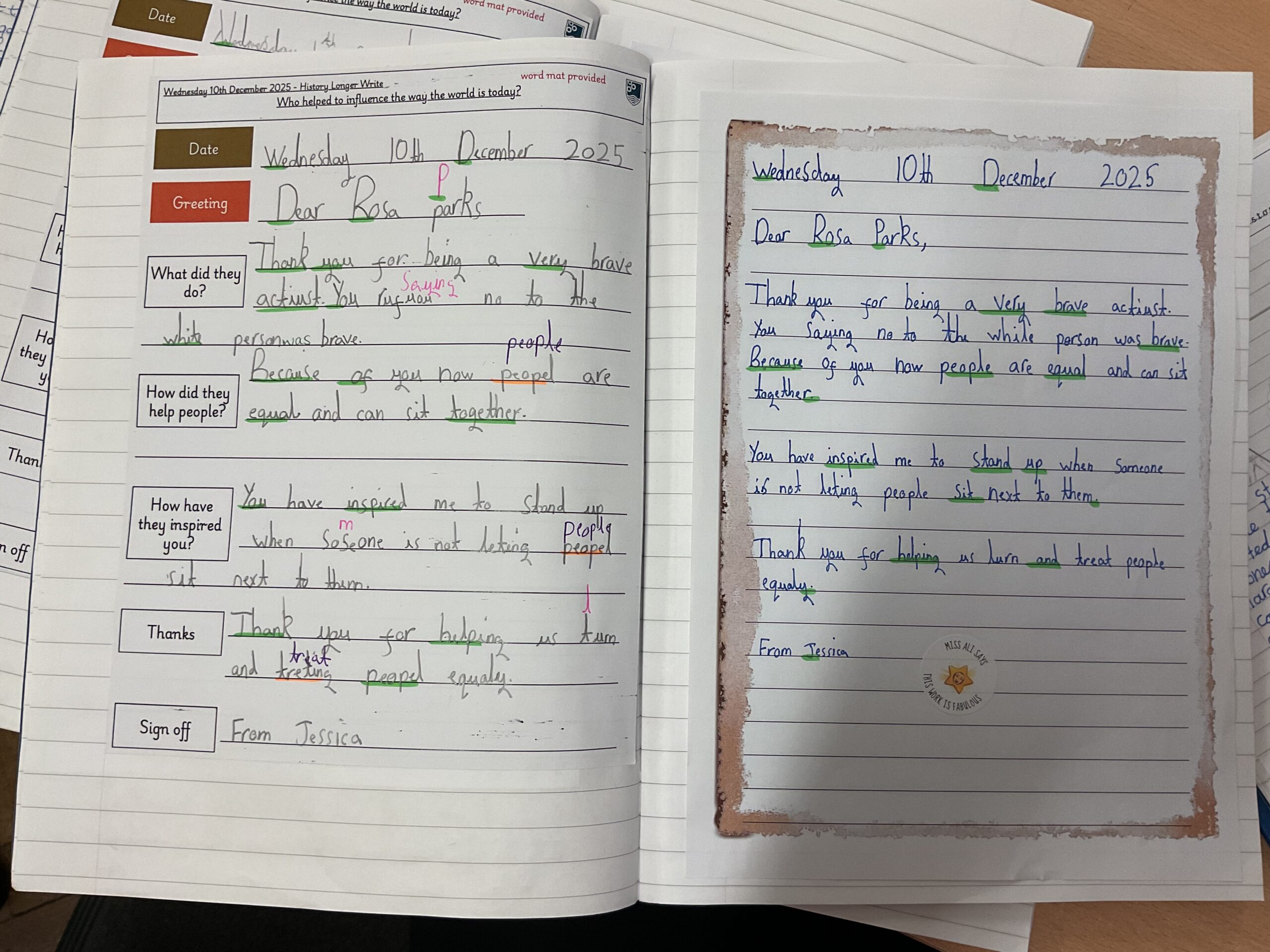
Y4: Rosa Parks + Kamala Harris
Y5: Barack Obama + Mo Farah
Y6: WW1 soldiers (reading), Martin Luther King (writing) + Benjamin Zephaniah
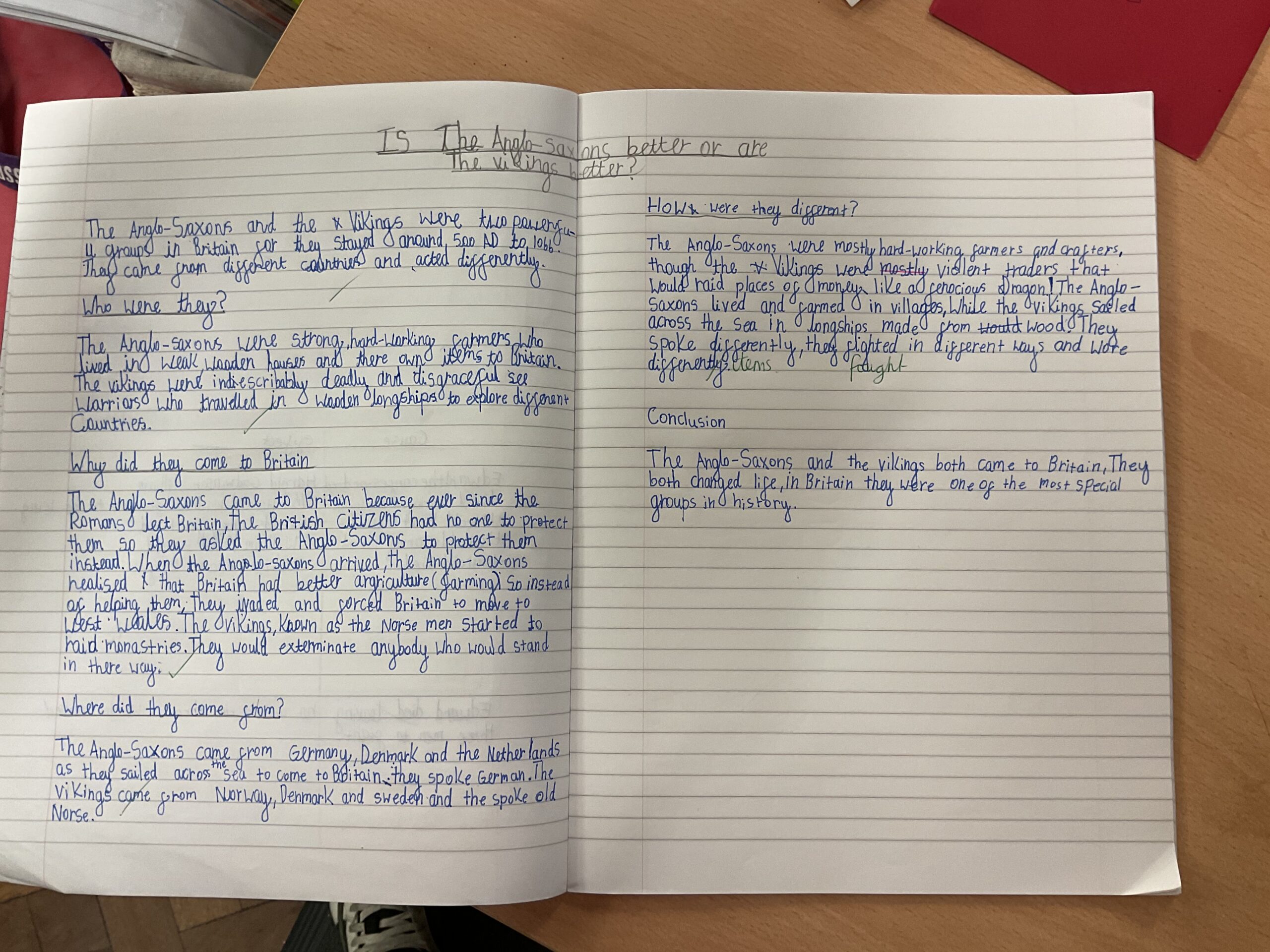
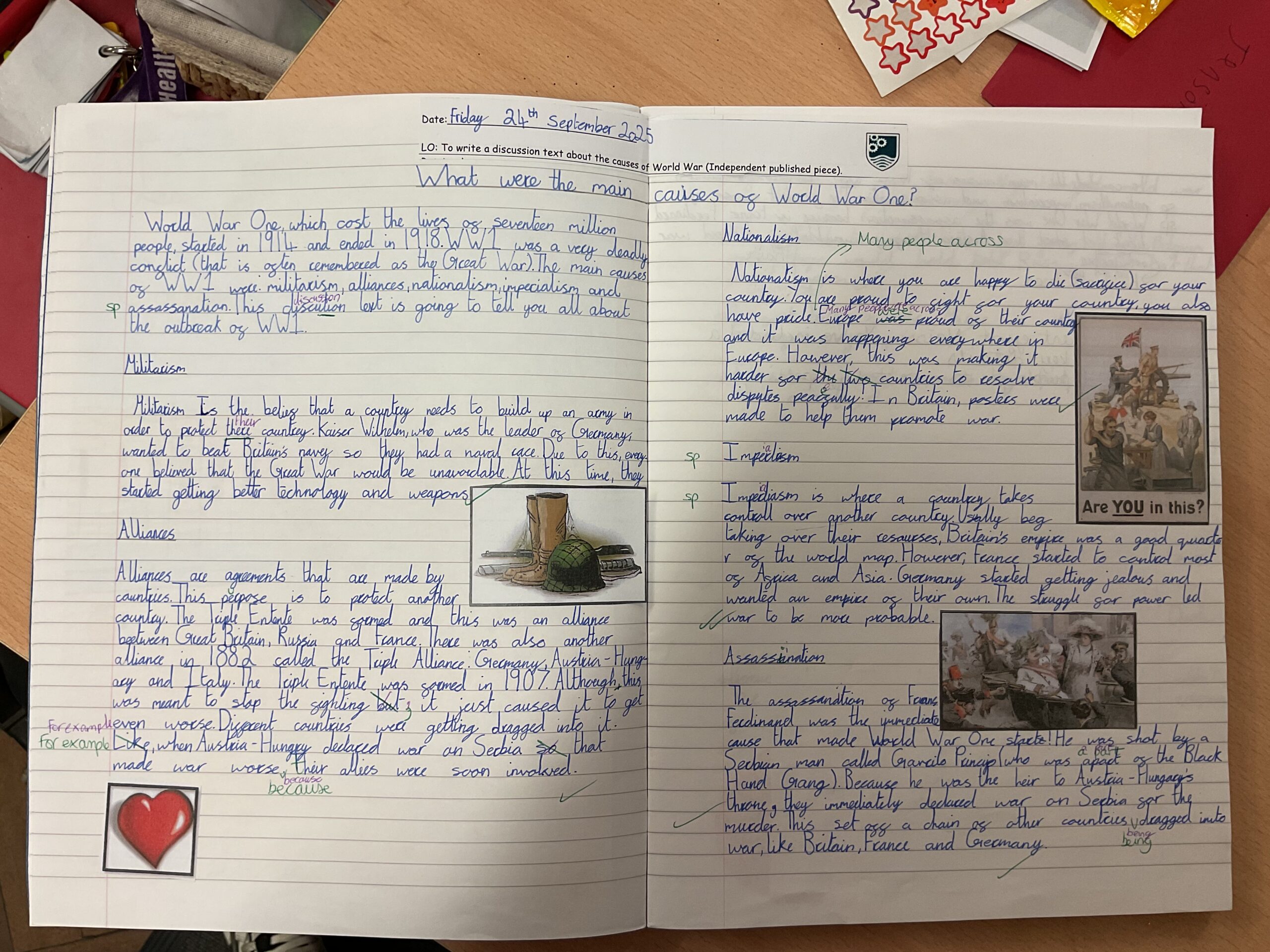
What do our lessons look like?
Typical planning and lessons would include:
1) Retrieval activities or questioning to recall prior learning with a varied amount of time with having to recall from - last week’s learning, last term’s learning, last year’s learning.
2) Clear explanations of the learning question through the use of the MYLO.
Teachers discuss the learning objective with key things in mind:
Why are we learning about this objective?
How are we going to learn about this objective?
How does this fit into our current learning journey?
3) Review session with ‘what can you recall…’ questioning
This will be based on any prior learning that links into the lesson. This is where an opportunity to recall any key vocabulary and recap meaning fits too. This helps to develop our children’s use of language.
4) Main Activities
When planning history lessons, staff consider how the following things can be included to ensure all learners can achieve the desired objective:
- Is the work adapted to suit the needs of all children?
This could be through scaffolding, additional resources, visual supports, varied task or support.
- Does the work provide children with a suitable amount of challenge? or Is there room to add a challenge to deepen understanding and encourage higher order thinking?
- Does the work answer the learning question introduced at the beginning of the lesson?
5) Each year group completes an ‘Innovation day’ as well as an end of unit ‘big write’ to answer the key question they have been focusing on for the term and demonstrate learning are carried out.
VR Headsets (Cross-curricular to Computing)
At Bloxwich Academy, our use of VR headsets brings learning to life by immersing children in experiences that would otherwise be impossible to access. Pupils can step directly into historical settings—exploring the temples and marketplaces of Ancient Greece, walking through the trenches of the First World War or visiting the pyramids of Ancient Egypt. VR is also used across other curriculum areas: journeying through the solar system in science, diving into underwater habitats in geography and even exploring the human body from the inside during health and biology topics. These immersive experiences deepen understanding, spark curiosity and help pupils develop a truly memorable connection with their learning.

Progression Skills
At the end of Early Years, children at the expected level of development will be able to:
- Talk about the lives of the people around them and their roles in society;
- Identify some similarities and differences between things in the past and now, drawing on their experiences and what has been read in class;
- And understand the past through settings, characters and events encountered in books read in class and storytelling.
By the end of Key Stage 1, children at the expected level of development will be able to:
- Know and understand the history of Britain from the earliest times to the present day;
- Know significant aspects of the history of the wider world;
- Gain a historically grounded understanding of terms;
- Understand historical concepts such as similarity, difference and significance, and use them to make connections and create their own structured accounts, including written narratives;
- Understand the methods of historical enquiry, including how evidence is used;
- Gain historical perspective by placing their growing knowledge into different contexts.
By the end of Key Stage 2, children at the expected level of development will:
- Know and understand the chronological narrative, from the earliest times to the present day: how people’s lives have shaped this nation and how Britain has influenced and been influenced by the wider world;
- Know and understand significant aspects of the history of the wider world;
- Gain and deploy a historically grounded understanding of abstract terms;
- Understand historical concepts such as continuity and change, cause and consequence, and use them to analyse trends, frame historically-valid questions and create their own structured accounts, including written narratives and analyses;
- Understand the methods of historical enquiry, including how evidence is used rigorously to make historical claims; · Gain historical perspective by placing their growing knowledge into different contexts, understanding the connections between local, regional, national and international history; between cultural, economic, military, political, religious and social history.